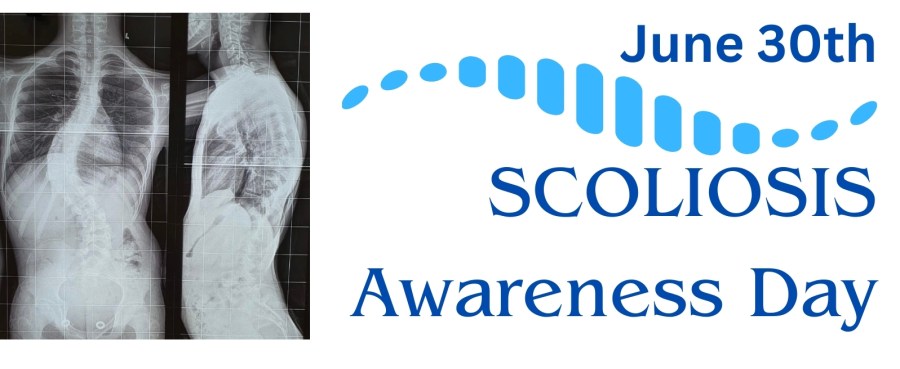

Can Scoliosis be ever missed in a growing child?
The answer is Surprisingly YES!
In my practice, I have seen kids presenting with gross spinal deformity; obvious scoliosis being missed and discovered accidentally by the child or parent in teenage. Despite being a potentially treatable condition, scoliosis often goes unnoticed until it becomes more pronounced. This is partly due to poor awareness among the general public and sometimes even among healthcare providers. Children may not experience pain or other symptoms in the early stages, leading to delayed detection. Early detection is crucial for effective treatment and better outcomes. Regular screening and increased public awareness can help identify scoliosis early and prevent severe deformities.
June is Scoliosis Awareness Month, a time dedicated to spreading knowledge about this condition, its detection, and its management.
Raising Awareness About Scoliosis: Understanding, Detecting, and Managing
Scoliosis is a medical condition characterised by an abnormal sideways (lateral / coronal) curvature of the spine. While it can affect people of all ages, it is most commonly diagnosed in children and adolescents.

This blog aims to provide a comprehensive understanding of scoliosis, highlight its importance, and offer practical advice for those affected by it.
Understanding Scoliosis
Types of Scoliosis
1. Idiopathic Scoliosis: The most common type, affecting around 80% of scoliosis patients. Its cause is unknown and it primarily occurs in adolescents.
2. Congenital Scoliosis: This type results from spinal deformities that develop in the womb.
3. Neuromuscular Scoliosis: This occurs due to nerve or muscle disorders, such as cerebral palsy or muscular dystrophy.
4. Degenerative Scoliosis: Common in older adults, this type arises from the degeneration of spinal discs and joints.
Symptoms and Signs
Scoliosis symptoms can vary depending on the severity of the curve. Common signs include:
– Uneven shoulders or waist
– One shoulder blade more prominent than the other
– Uneven hips
– Visible curve in the spine
– Back pain or discomfort
In severe cases, scoliosis can cause respiratory issues due to reduced space within the chest for lungs to expand.
Detecting Scoliosis
Early detection is crucial for effective management. Here are some common methods for detecting scoliosis:
1. School Screenings: Many schools conduct routine scoliosis screenings to catch early signs of spinal curvature.
2. Physical Examinations: During a regular check-up, doctors may perform a forward-bending test to check for any spinal abnormalities.
3. Imaging Tests: X-rays, MRIs, or CT scans can confirm the diagnosis and help determine the severity of the curve.
Parents should watch for early signs of scoliosis in their children, especially during growth spurts. If you notice any asymmetry in your child’s shoulders, hips, or waist, consult a doctor for further evaluation.
Managing Scoliosis
The treatment plan for scoliosis depends on the degree of curvature and the patient’s age. Here are some common management strategies:
1. Observation: For mild cases, regular monitoring may be all that’s needed to ensure the curve doesn’t worsen.
2. Bracing: In moderate cases, especially in growing children, a brace may be recommended to prevent further curvature.
3. Physical Therapy: Exercises can help improve posture, strength, and flexibility. Specific scoliosis exercises, like the Schroth method, can be particularly beneficial.
4. Surgery: Severe cases may require spinal fusion surgery to correct the curvature and prevent it from worsening.

Living with Scoliosis
Living with scoliosis can be challenging, but with the right support and resources, individuals can lead active, fulfilling lives.
Here are some tips:
– Stay Active: Engage in activities that promote spine health, such as swimming, yoga, or Pilates.
– Educate Yourself: Understanding your condition can empower you to make informed decisions about your treatment and lifestyle.
– Join Support Groups: Connecting with others who have scoliosis can provide emotional support and practical advice.
take home message
Scoliosis is a condition that need not hinder one’s quality of life if timely management is undertaken. This requires a larger awareness about this condition. By understanding the signs, seeking timely medical advice, and supporting awareness initiatives, we can make a significant impact on the lives of those affected by scoliosis. Let’s work together to spread knowledge, offer support, and ensure that no one faces scoliosis alone.


well done . Explained in very simple words for anybody to understand.
This awareness will help many to detect and treat this condition at the early stages . Good health should be the priority always
congrats Murali Mohan
LikeLiked by 1 person
v nice sir.
LikeLiked by 1 person
Very informative article by Dr Murali Mohan on Scoliosis.
Best advice to every Parents :
Should watch for early signs of scoliosis in their children, especially during growth spurts. If you notice any asymmetry in your child’s shoulders, hips, or waist, consult a doctor for further evaluation.
As mentioned by him in common methods for detecting scoliosis that
many schools conduct routine scoliosis screenings to catch early signs of spinal curvature, all the institutions may be instructed by the concerned State Education Department to carry out yearly Medical Health Check up for every student which includes Scoliosis detection test.
Tips by Dr Murali Mohan for an active life and connecting with people with scoliosis difficulties and providing emotional support is appreciated.
LikeLiked by 1 person
Informative and explained in simple terms.
Great job Murali.
LikeLiked by 1 person
very nice sir
LikeLiked by 1 person
Very iinformative and easy to understand.. Keep doing good work.. God bless you.
LikeLiked by 1 person
good information. Very well explained
LikeLiked by 1 person
very informative and explained in a simple way for awareness. Thank you Dr Muralimohan …May God bless you.
LikeLiked by 1 person
very well written sir 😊
LikeLiked by 1 person
good information. Very well explained
LikeLiked by 1 person